Nanodevice Lab
Introduction
Welcome to the Nano devices and sensing Research Group!
We are an interdisciplinary team dedicated to exploring innovative approaches to computing by leveraging physical processes and brain-inspired architectures. Our research focuses on utilizing the intrinsic responses of materials and devices to perform mathematical computations, aiming to overcome the fundamental limitations of energy efficiency and latency in conventional computing systems.
Research Interest:
We explore the usage of physical processes to perform mathematical computing and brain-inspired processing architectures to reduce power consumption and time delay. Using low-dimensional materials as a toy model system, we investigate how device physics can be harnessed for efficient, unconventional computation paradigms. Our goal is to develop next-generation computing technologies that are faster, more energy-efficient, and capable of seamless integration with sensing and memory functions.
Research highlight
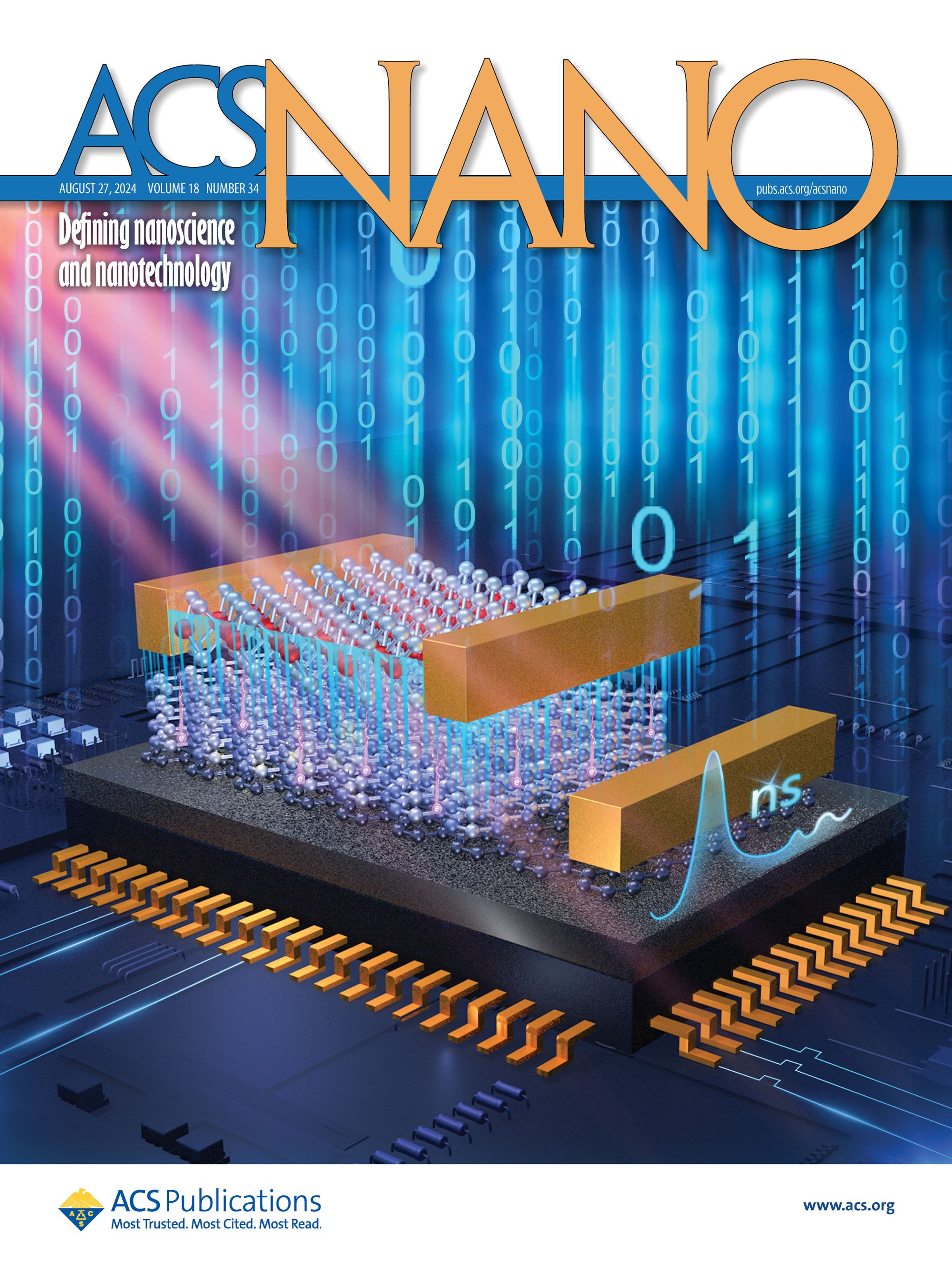
Ultrafast multi-bit memory based on ReS₂/h-BN/graphene heterostructure, ACS Nano 18(34), 23403 (2024)
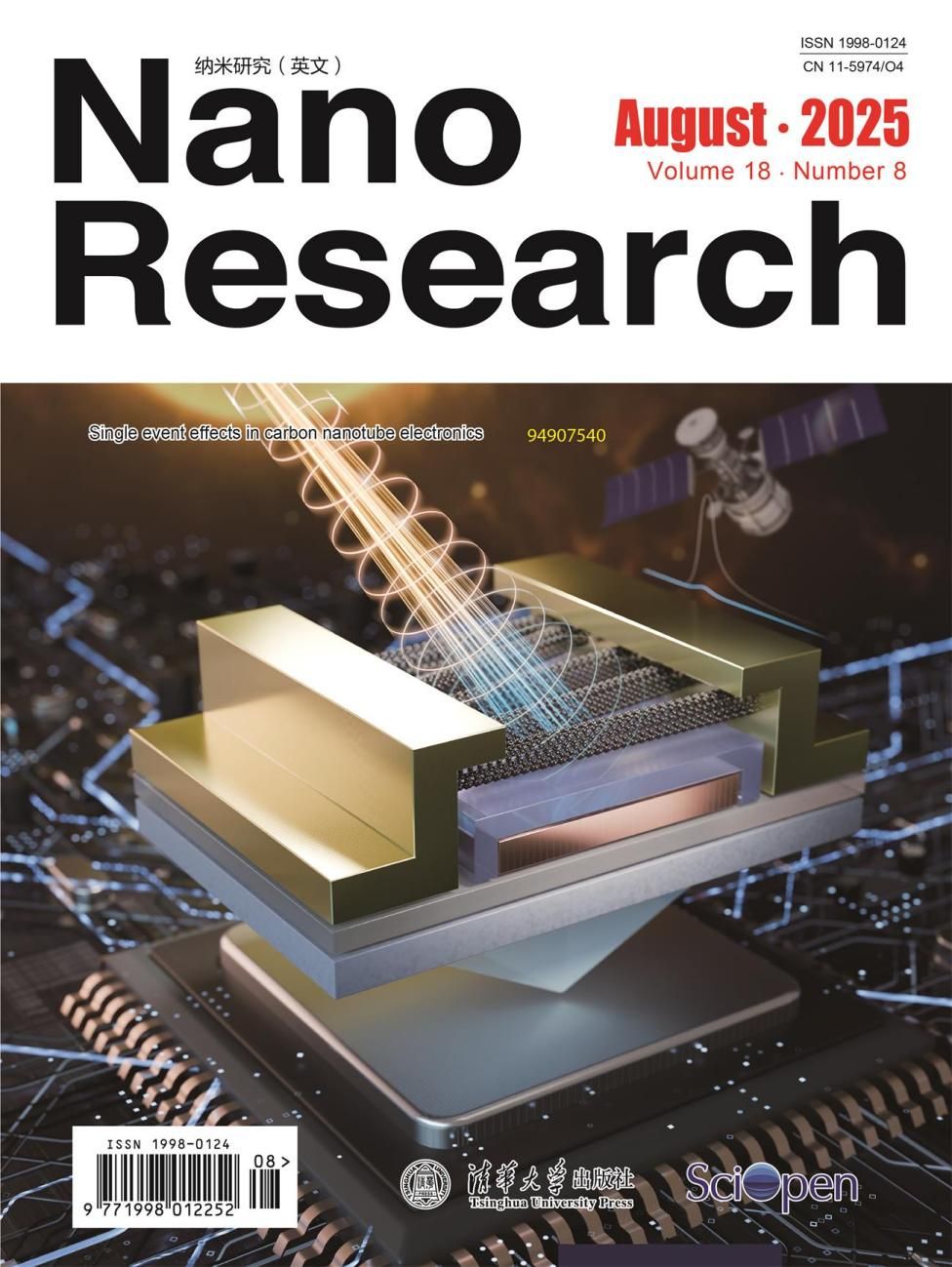
Ambipolar degeneracy breaking via surface acoustic wave-driven bidirectional carrier transport in optically reconfigurable MoTe₂/h-BN heterostructure, Nano Research 18(8), 94907543 (2025)
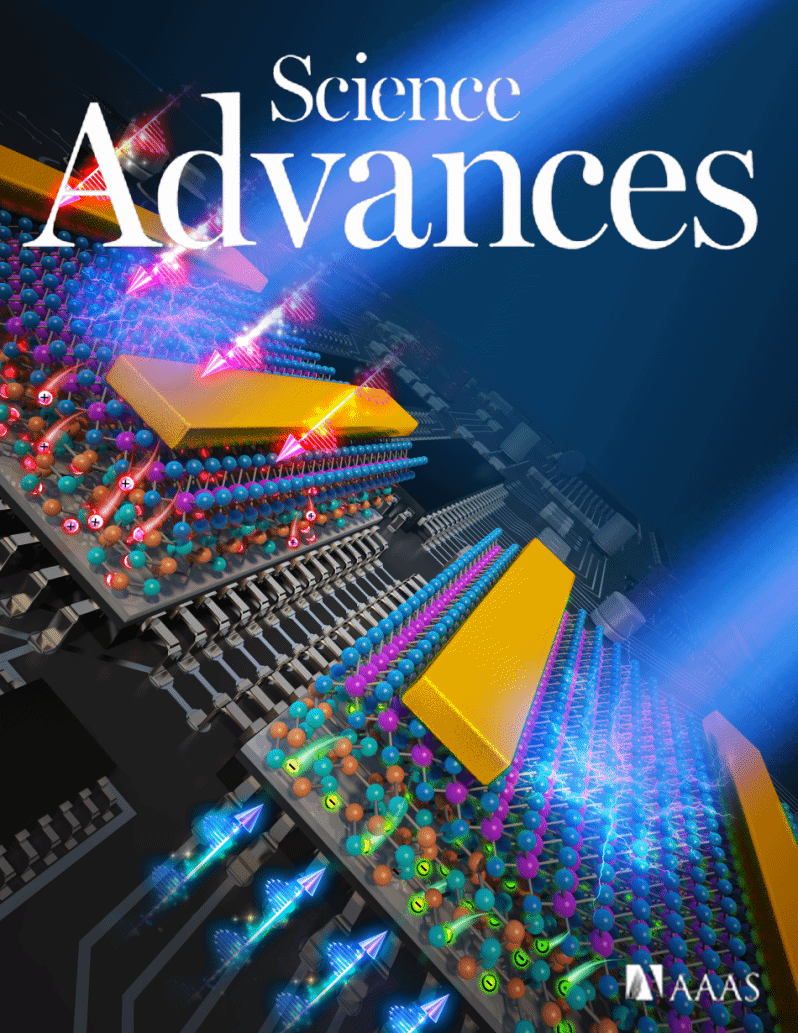
Dynamically controllable polarity modulation of MoTe2 field effect transistors through ultraviolet light actuation, Science Advances 5(5), 3430 (2019)
News
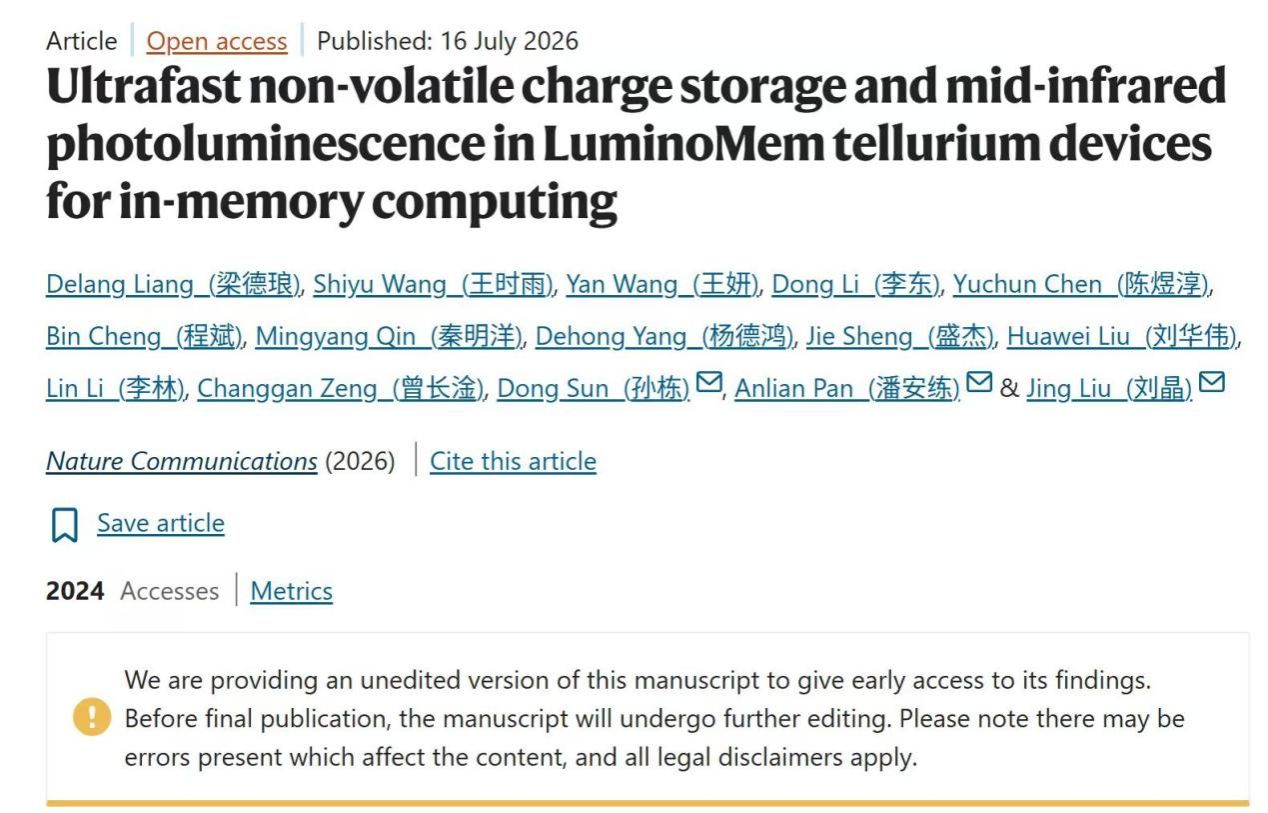
Our paper titled “Ultrafast non-volatile charge storage and mid-infrared photoluminescence in LuminoMem tellurium devices for in-memory computing” has been accepted by Nature Communications.
Contact:Jing Liu Professor email: jingliu_1112@tju.edu.cn
Office Address: Room 410, No.10 Teaching Building, Tianjin University